AI agents in content operations is one of those topics where the gap between conference talk and production reality is still very wide. I want to close that gap a little.
We have been working with agentic patterns in content workflows for a while now. Here are three that actually work in production, what breaks with each of them, and what scales.
Pattern 1: Automated content classification
The use case is straightforward. Large content repositories with inconsistent tagging, missing metadata, and no reliable taxonomy. An agent ingests existing content, applies a defined classification schema, and tags at scale.
What works: speed and consistency. A well-prompted classification agent processes in hours what a content team would spend weeks on manually. The output quality is high enough for most editorial use cases if the taxonomy is well-defined before you start.
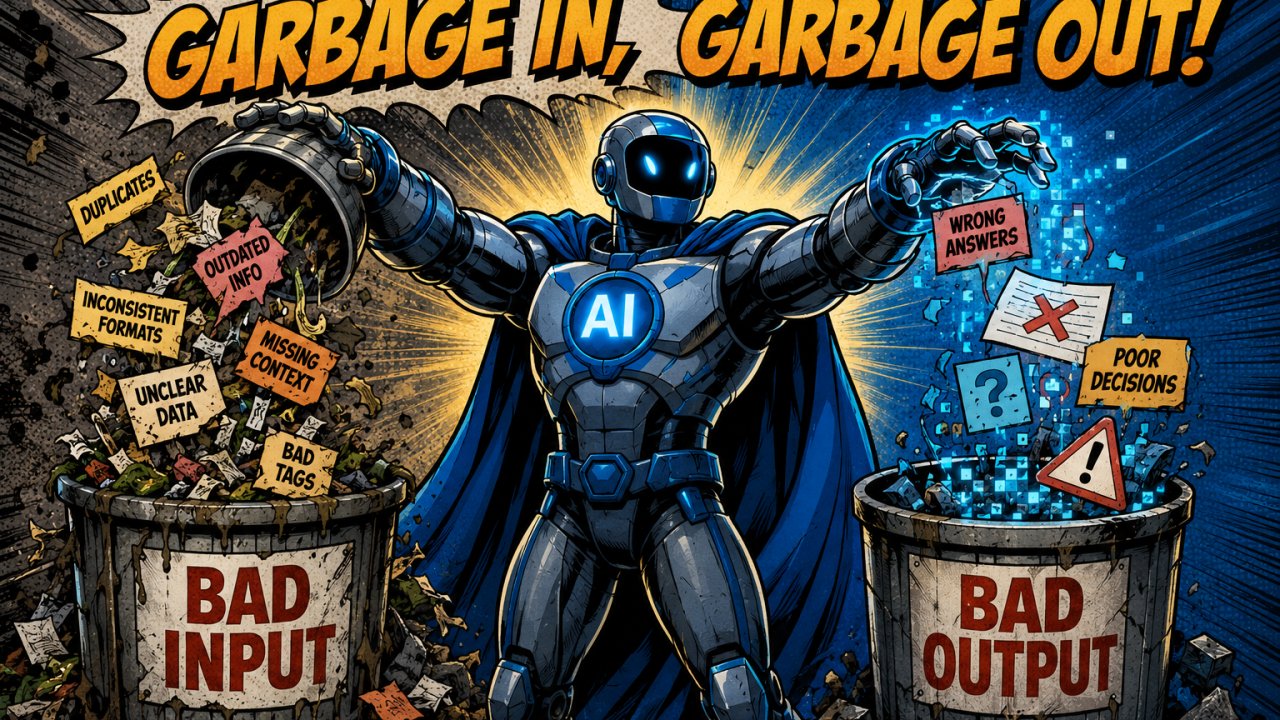
What breaks: the taxonomy. Every time. Organizations that go into a classification project with a vague or contested content model will get fast, consistent, wrong results. Garbage in, garbage out has never been more efficient.
Pattern 2: AI-assisted translation review
Not AI translation. AI-assisted review of machine-translated content before it goes to a human linguist or directly to publish. The agent flags terminology inconsistencies, brand language violations, and structural issues that pure MT misses.
What works: it catches the expensive mistakes. Legal and brand terminology errors in MT output are the ones that create real problems downstream. An agent running a structured review pass before human sign-off reduces that risk meaningfully and cuts review time.
What breaks: confidence calibration. Agents in this pattern tend to either flag too much, overwhelming the human reviewer, or too little, creating false confidence. Getting the sensitivity tuned to a specific brand voice and regulatory context takes iteration. Plan for it.
Pattern 3: Approval routing
Content moves through approval chains. Legal, brand, regional, executive. The bottleneck is almost never the content itself. It is knowing who needs to approve what, in which order, and chasing them when they do not.
An agent that reads content metadata, applies routing rules, assigns reviewers, sends reminders, and escalates on delay sounds simple. In practice it is one of the highest-value automation patterns we have seen in content-heavy organizations.
What works: the time savings are immediate and measurable. Approval cycle times drop significantly even with a basic implementation.
What breaks: exception handling. Approval routing agents work well when the rules are clear. The moment a piece of content does not fit a clean category, or an approver is on leave, or a campaign deadline moves, the agent needs a human to take over gracefully. Organizations that do not design the handoff explicitly end up with stuck content and no visibility into why.
The pattern behind the patterns
All three share the same failure mode. They work well when the underlying process is well-defined and the humans involved understand what the agent is doing and why. They fail when organizations use the agent to avoid the harder work of defining the process in the first place.
AI agents are not a shortcut to operational clarity. They are a multiplier for it.
If you are evaluating where agentic AI fits in your content operations, that is exactly the kind of assessment we do at diagema GmbH . Happy to talk through where it makes sense for your setup.
#AIAgents #ContentOperations #WorkflowAutomation #GenerativeAI #ContentStrategy #DXP
Ursprünglich veröffentlicht auf LinkedIn.